ROPS & FOPS
Design / Engineering Development / Fabrication / Repair / Certification / Re-ceritifcation
ROPS Engineering Australia designs, manufactures, tests, installs, repairs and supports the recertification of Roll Over Protective Structures (ROPS) and Falling Object Protective Structures (FOPS).
REA’s core ROPS/FOPS work is focused on heavy vehicles and specialist fleet applications operating in demanding environments.
Roll Over Protective Structure
ROPS / rollover
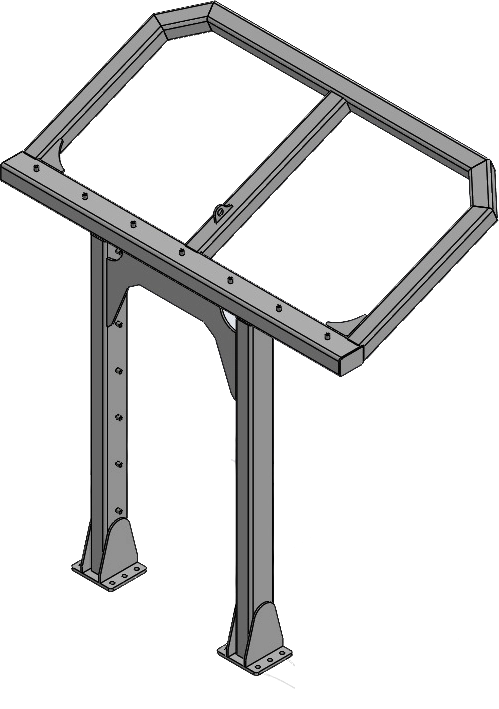
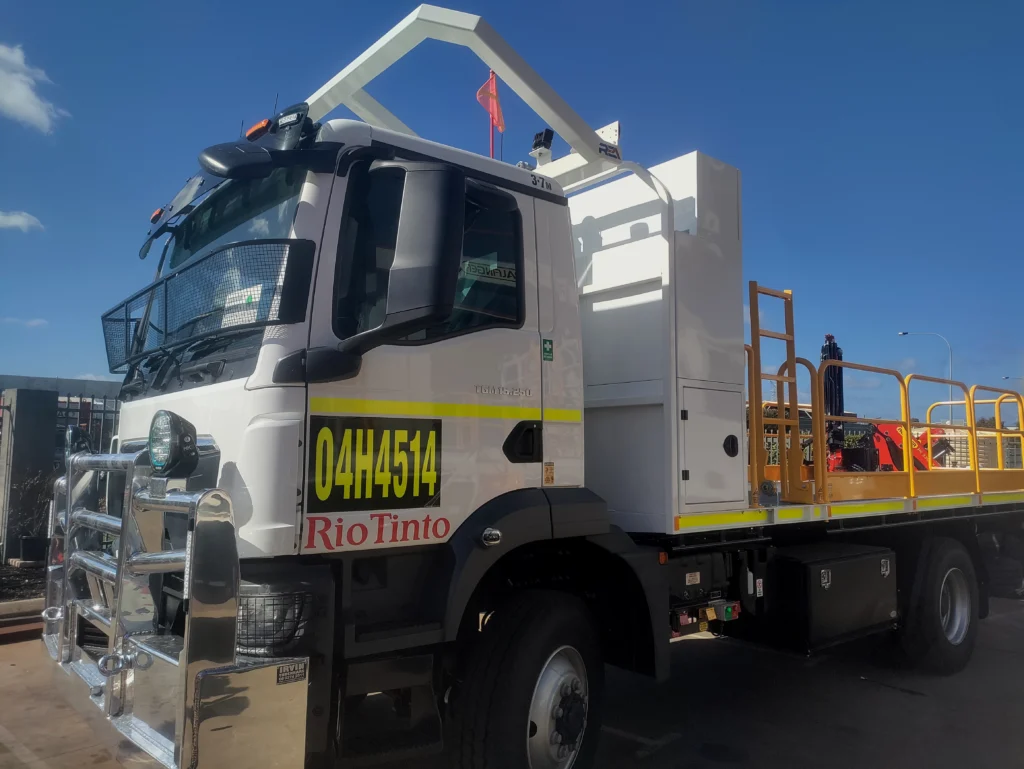
ROPS stands for Roll Over Protective Structure.
A ROPS is an engineered protective structure intended to provide protection to the vehicle cab and occupants in the event of a rollover.
Falling Object Protective Structure
FOPS / overhead
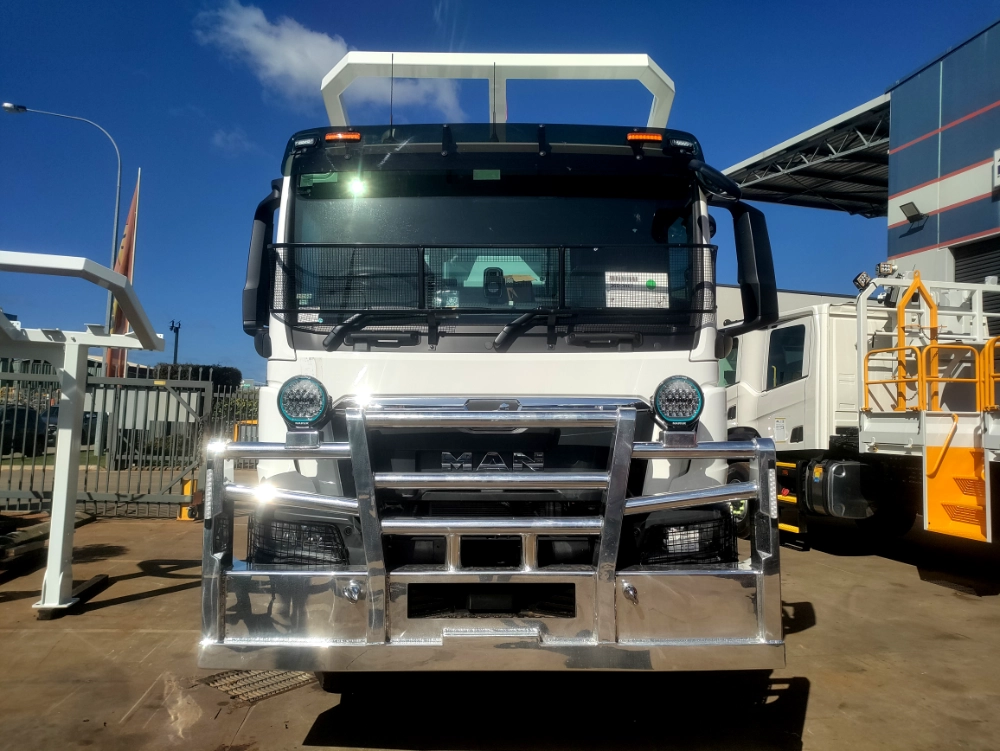
FOPS stands for Falling Object Protective Structure.
A FOPS provides overhead protection where there is a risk of falling objects. It is commonly incorporated with a ROPS where additional overhead protection is required.
Applications may include underground mining vehicles, fire and emergency vehicles, and vehicles working in environments where falling objects present a risk.
REA ROPS & FOPS capabilities
The #1 Australian ROPS & FOPS experts.
REA designs, manufactures, tests and certifies protective structures to applicable standards, including ISO 3471 and ISO 3449.
- Certified rigid ROPS
- Certified hinged ROPS
- Rigid ROPS/FOPS
- Hinged ROPS/FOPS
- Lightweight designs
- Low-clearance designs
- ROPS/FOPS inspection and recertification support
- Repair and modification of existing structures
- OEM structure modification and repair
- Custom protective structures
- Engineering assessment and design
- Design, manufacturing & installation
Types of ROPS & FOPS
Rigid ROPS
Hinged ROPS
Rigid ROPS/FOPS
Hinged ROPS/FOPS
Low-clearance design
Why choose ROPS Engineering Australia
Design, Manufacture, Certification - all in one place.
REA’s team designs and manufactures new certified structures, and also handles inspection, recertification, repair and modification of structures already in service, including OEM-fitted structures. If a vehicle needs a lightweight or low-clearance design to suit underground or restricted-access conditions, that’s assessed as part of the engineering process rather than treated as a special case.
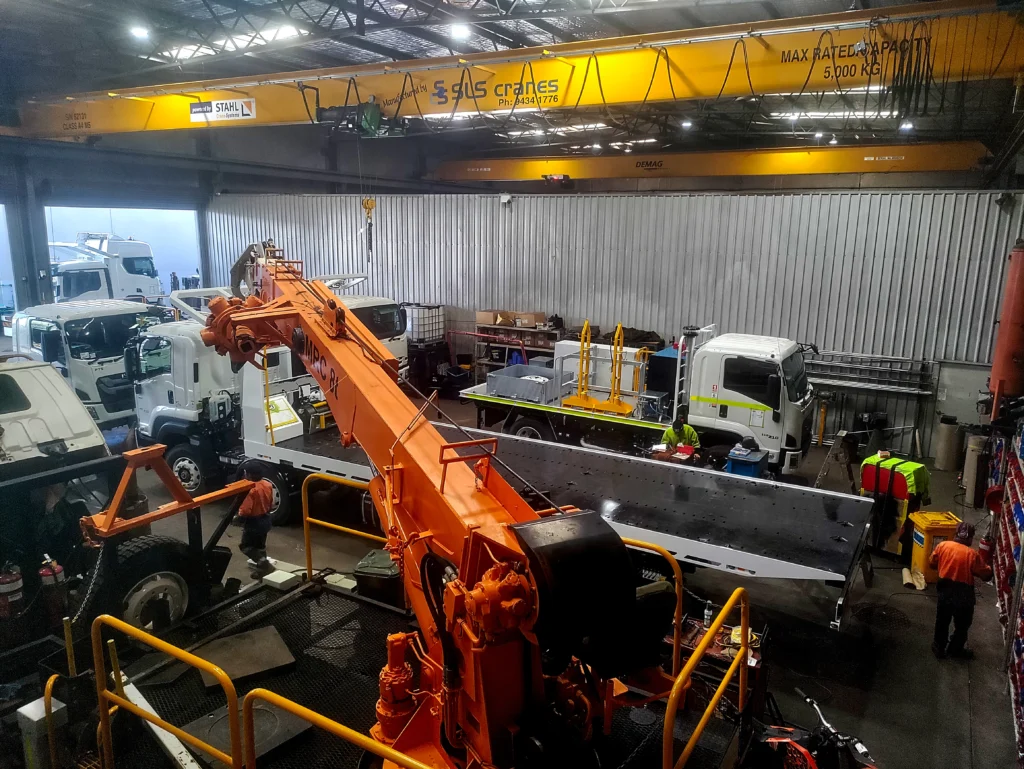
Work is carried out at REA’s purpose-built Forrestdale, WA facility, combining in-house engineering, fabrication, coded welding, hydraulics, auto electrical, blasting and painting, and is backed by mobile field support and an Australia-wide service partner network, so a ROPS or FOPS structure is supported for the working life of the vehicle, not just at the point of installation.
Who we work with
ROPS & FOPS for heavy vehicles in any industry.
Mining remains one of the major applications for heavy-vehicle ROPS/FOPS. Some organisations and mine sites require ROPS/FOPS as part of their own safety and operating requirements. Requirements vary depending on the vehicle, application, site and operating environment.
- Truck dealerships
- Heavy vehicle manufacturers and distributors
- Vehicle body builders
- Mining companies & contractors
- Transport & freight companies
- Fleet operators
- Construction businesses
- Specialist vehicle operators
- Fire and emergency vehicle applications
- Fleet and asset managers
- Safety and compliance personnel
- Farming & agriculture
ROPS & FOPS FAQ
What's the difference between a ROPS and FOPS?
Do I need a ROPS, a FOPS, or both?
What standards does REA design and certify ROPS/FOPS to?
Can REA repair or recertify a ROPS/FOPS structure that's already in use?
Yes. REA supports inspection and recertification of existing structures, as well as repair and modification, including structures originally fitted by an OEM.
Does REA only work on new vehicles, or existing fleet too?
Can REA supply a ROPS/FOPS for machinery, not just heavy vehicles?
Machinery applications can be significantly more complex than standard heavy-vehicle applications, so these enquiries are assessed individually rather than treated as a standard product.
Customers enquiring about machinery ROPS/FOPS should provide basic machinery information, photographs, intended use and operating environment. The REA team can then review the information and contact the customer to discuss whether REA can provide a suitable solution.
Machinery and equipment enquiries are assessed individually, since machinery applications can be more complex than standard heavy-vehicle applications. Provide basic machinery information, photographs, intended use and operating environment, and REA will review and follow up to discuss whether a suitable solution can be provided.
What information does REA need to provide a quote?
Helpful details include the vehicle make, model and year of manufacture, whether a ROPS or ROPS/FOPS is required, the body type fitted or intended, VIN, fleet or stock number, any site-specific requirements, and photographs, drawings or body information if available. The more information provided upfront, the faster REA can scope an accurate quote.